A New Way of Living in Motion
Imagine a morning without the friction of traffic — where the hum of a train replaces the blare of car horns, and your commute begins with a short, tree-lined walk. This isn’t an urban fantasy. It’s the promise of a new kind of citymaking: Transit-Oriented Development, or TOD.
As Malaysian cities like Kuala Lumpur and Selangor evolve at pace, the limits of car-centric planning have become increasingly visible — congestion, longer travel times, fragmented communities. TOD redefines that rhythm. It brings homes, workplaces, and lifestyle hubs into close alignment with public transit, creating neighbourhoods that are compact, connected, and consciously designed for how people actually move.
For those seeking a home or investment that reflects a smarter, more sustainable way of living, understanding the value of TOD isn’t just useful — it’s essential.
1. What is TOD?
Transit-Oriented Development (TOD) is a planning philosophy that prioritizes accessibility and livability around transit nodes such as MRT, LRT, Monorail, or commuter rail stations. It’s an approach that designs cities around people, not vehicles.
The core principles are simple yet powerful:
A. Maximum Walkability:
Everything essential, from cafés and grocery stores to co-working spaces and services, sits within a comfortable five- to ten-minute walk of the transit station (typically 400–800 meters).
B. Reduced Car Dependency:
By placing daily conveniences within reach, TODs naturally reduce the need for private cars, cutting both costs and carbon emissions while freeing time for the things that matter.
In essence, a TOD is more than proximity to a station — it’s proximity to possibility.
Characteristics of TOD
2. Characteristics of TOD
A true TOD is guided by a universal set of urban design principles. Together, they create neighbourhoods that are dynamic, human-scaled, and enduring in value.
A. Walkable Design
Walkability is the heart of every TOD. Streets are wider and shaded, pathways are continuous, and crossings feel intuitive and safe. Buildings line the streetscape rather than retreat behind car parks, encouraging interaction and movement at a pedestrian rhythm.
B. Mixed Land Use
A TOD thrives on diversity. Residences, offices, cafés, and retail coexist — creating life that extends beyond the 9-to-5. This layering of functions transforms a development into a living ecosystem, where people can live, work, and unwind without leaving their neighbourhood.
C. Seamless Transit Access
The transit station anchors the entire composition. Clear sightlines, accessible walkways, and thoughtfully integrated entrances make public transport a natural choice — not a secondary one. The ease of access redefines how residents relate to the city at large.
D. Quality Design
TODs don’t just connect people — they inspire them. Architecture becomes a stage for urban life, complemented by plazas, courtyards, and small green pockets. These shared spaces serve as both pause points and gathering grounds, weaving community into the urban fabric.
3. The Benefits of Living in a TOD Community
Life in a Transit-Oriented Development (TOD) is more than a matter of convenience — it’s an architecture of efficiency. Every design decision, from the placement of a pathway to the mix of uses, quietly enhances how people live, spend, and connect.
A. Significant Cost Savings
The most immediate benefit is economic. With a train station steps away, the dependency on private cars fades — along with fuel costs, tolls, and the unseen weight of traffic. Over time, these savings translate into real financial flexibility, freeing resources for what matters more: experiences, investments, or quality of life.
B. Stronger Property Value
Properties within TOD zones tend to mature differently. Their value is sustained not just by design, but by access — proximity to infrastructure, retail, and employment. As cities continue to densify and car commutes lose appeal, homes near transit lines naturally command higher demand and resilience against market shifts.
C. Healthier Urban Routine
When walking becomes the most logical way to move, well-being follows effortlessly. Everyday routes — to the grocer, café, or station — double as light exercise. The absence of long commutes also means more rest, less stress, and a tangible shift toward a balanced urban rhythm.
D. A More Connected Community
TOD are built around shared spaces — plazas, cafés, linear parks — where spontaneous encounters replace the anonymity of gated living. Over time, these moments form the social texture of the neighbourhood: a sense of belonging that grows organically, one walk at a time.
4. The Evolution of TOD in Malaysia
Malaysia’s journey toward Transit-Oriented Development reflects a broader evolution in how cities define progress. For decades, the nation’s urban fabric was woven around the car — sprawling suburbs, long drives, and the daily choreography of congestion.
That began to change with the expansion of the Klang Valley’s LRT network, and later, the transformative introduction of the MRT lines. These systems didn’t just move people; they reshaped how planners imagined space. Under the guidance of agencies such as PlanMalaysia, the TOD framework became an official urban policy — one that places connectivity, density, and mixed-use planning at the heart of growth.
Today, Malaysia’s modern TOD projects are no longer isolated developments but carefully calibrated ecosystems. Each integrates residential life with commercial and civic activity, ensuring that transit isn’t merely an amenity — it’s the organising principle of the city.
This shift marks more than infrastructure investment; it signals cultural maturity. By planning entire districts around accessibility and walkability, Malaysia is aligning with the world’s most forward-thinking urban movements — where sustainability, design, and human experience converge.
5. TOD Across the Klang Valley
The success of TOD in Malaysia is already visible — expressed through a collection of projects that combine architectural ambition with urban intelligence. Within the Klang Valley, these developments serve as case studies for how thoughtful connectivity can redefine modern living.
a. Arte Star
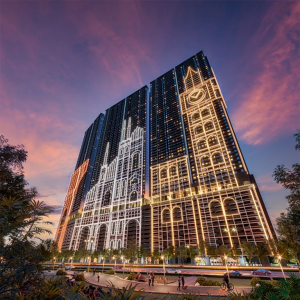
Rising in Salak South, Arte Star embodies the next chapter of integrated city living. Designed as a true TOD, the development offers seamless access to KTM, LRT, and the future MRT3 Salak Selatan station — all within a short, sheltered walk.
This convergence of three major rail networks creates not only mobility, but momentum — positioning Arte Star as a living node of Kuala Lumpur’s future transport ecosystem.
b. Arte Cheras
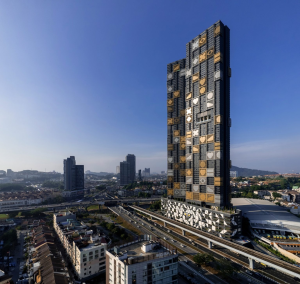
In Taman Midah, Arte Cheras translates TOD principles into architectural form. Located just moments from the Taman Midah MRT Station (SBK24) on the Sungai Buloh–Kajang Line, the development connects residents directly to the city centre while maintaining a neighbourhood-scale intimacy.
It’s a project that reflects the evolving expectations of urban dwellers — where access, design, and rhythm exist in balance.
c. Arte+
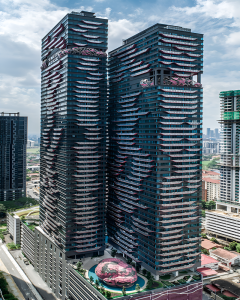
A precursor to Arte Corp’s current vision, Arte+ in Ampang was conceived with the same spirit of connected living. Set near the Jelatek and Dato’ Keramat LRT stations, and within proximity to the upcoming MRT3 Tasik Ampang stop, it continues to exemplify how proximity to public transit enhances both lifestyle and long-term value.
Together, these developments illustrate how Arte Corp’s architectural language — expressive, contextual, and forward-looking — aligns naturally with the TOD framework: design that moves with the city, not against it.
6. The Future of TOD in Selangor & Kuala Lumpur

As Malaysia’s urban core expands, Transit-Oriented Development (TOD) is no longer an alternative; it is the inevitable path forward. Both Kuala Lumpur and Selangor face the same paradox — denser populations within limited space — and the answer lies in smarter spatial planning, not endless expansion.
Government initiatives continue to invest heavily in transit infrastructure: the extension of existing MRT and LRT lines, the integration of MRT3, and new intercity connections designed to knit the Klang Valley into a unified urban region. This network underpins the next generation of TODs, ensuring they remain not just convenient, but indispensable.
Culturally, too, a shift is underway. Malaysians are increasingly valuing time over traffic, connection over isolation. The idea of owning a home that links seamlessly to the city — one that replaces distance with design — is becoming both practical and aspirational.
TOD developments, therefore, represent more than a real estate category; they are a reflection of evolving priorities. They speak to sustainability, to livability, and to a new kind of urban elegance — one that understands that the best address is not defined by how far it is from the city, but by how effortlessly it connects to it.
In this light, TOD is not a trend. It is Malaysia’s blueprint for smart, human-centred urbanism — a framework that will shape the skyline, and the rhythm of life, for decades to come.
7. The TOD Project in Practice
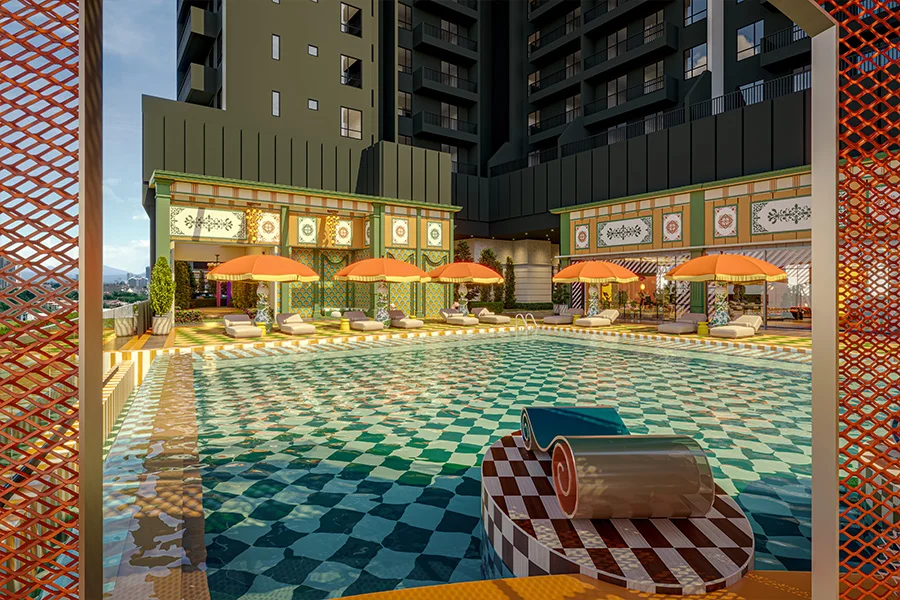
The future city is no longer a concept — it is already taking form. Modern Transit-Oriented Developments turn vision into reality by merging strategic planning with architectural artistry. Projects like Arte Star stand as living examples of this philosophy, redefining what connected urban living can look and feel like.
A developer’s mastery of the TOD model rests on a few defining principles:
- Iconic Architecture:
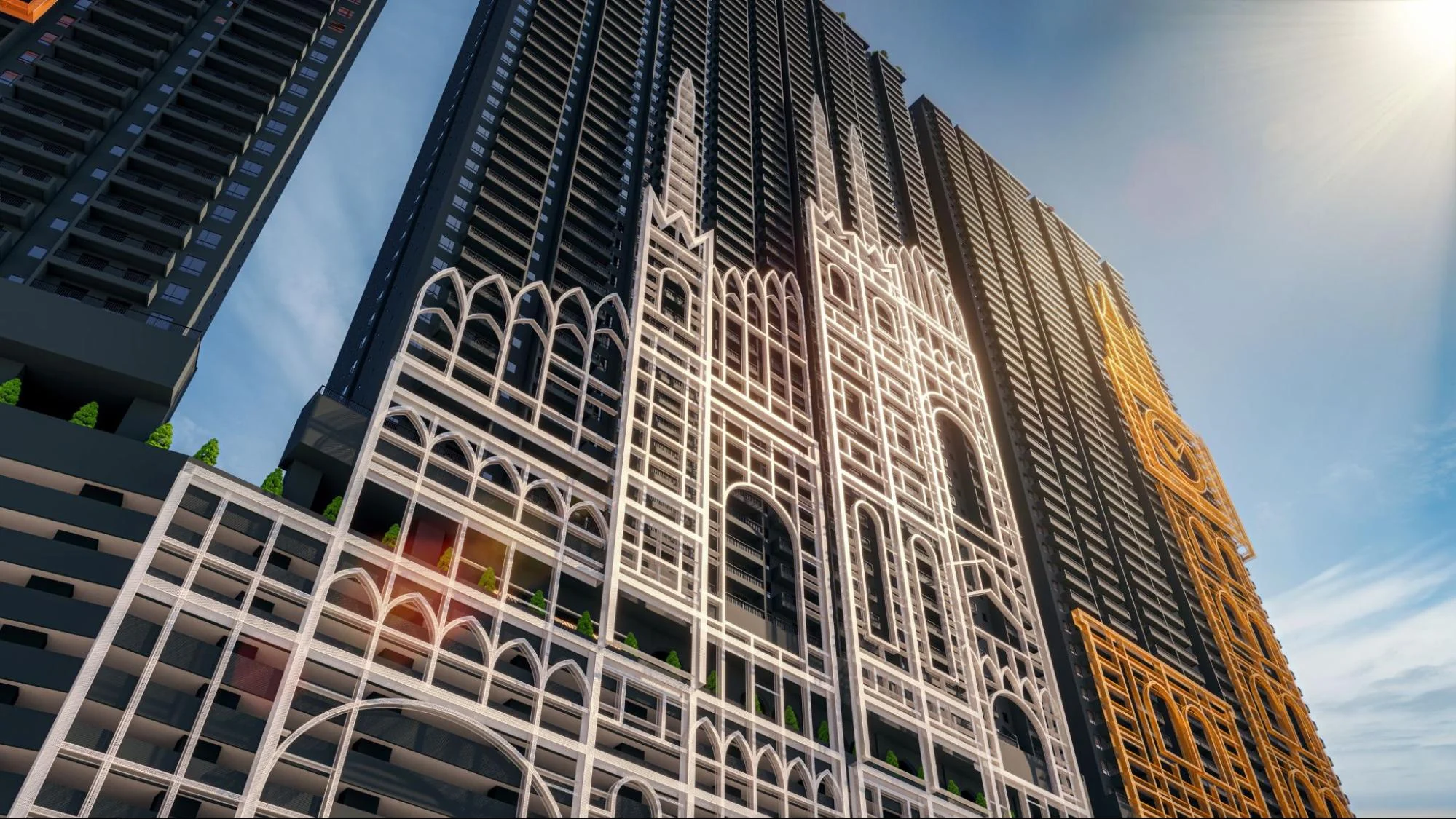
A true TOD landmark does more than serve — it inspires. Bold, expressive design transforms these developments into visual anchors within the transit network, shaping the identity of their surrounding neighbourhoods. They become symbols of modernity, of progress, and of pride.
- Integrated Lifestyle Facilities:
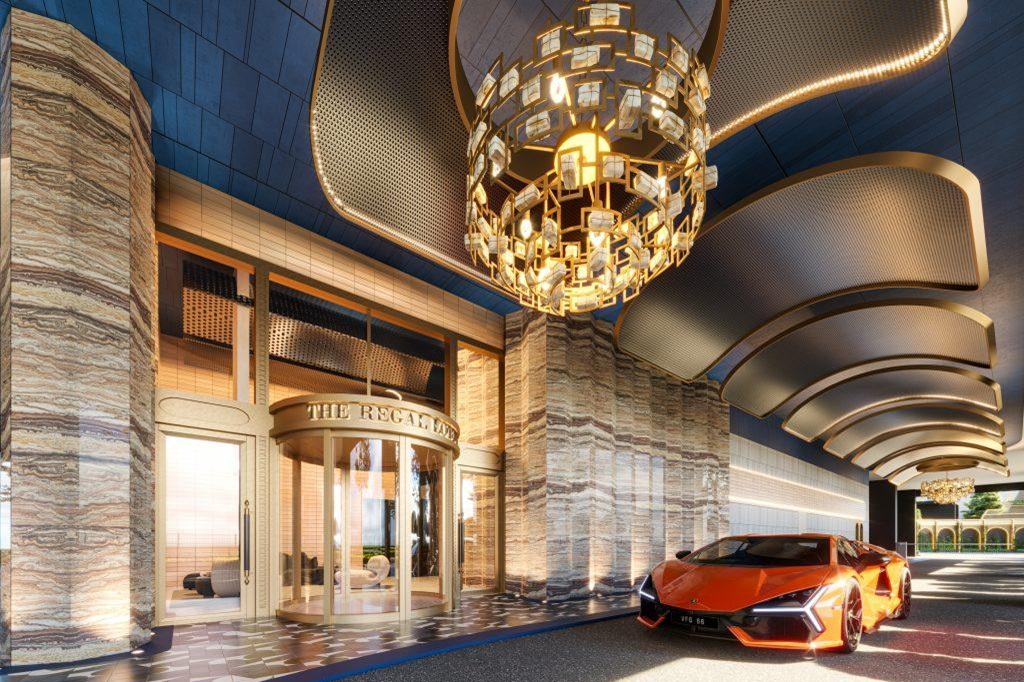
Designed for the modern professional, a well-conceived TOD development blends function and leisure with precision. Beyond the essentials, it curates a suite of experiences — business lounges for collaboration, wellness spaces for restoration, and terraces that invite reflection amid the pulse of the city.
- Strategic Connectivity:
The best TODs are not merely near transit, they are part of it. Their locations are chosen for direct, sheltered links to major rail lines, ensuring every journey begins and ends in comfort. When connectivity is woven into daily life, convenience becomes culture.
Conclusion – A Life Designed Around Movement
A Transit-Oriented Development represents more than infrastructure; it marks a quiet revolution in how we inhabit cities. It distills the chaos of urban life into a system of ease — replacing distance with design, and routine with rhythm.
TOD living is not simply about being close to a train station. It’s about being close to what matters: time, opportunity, community, and well-being. It’s a future where the line between home and the city dissolves — where connection becomes the measure of modern luxury.
For Arte Corp, this is more than development — it’s design with intention. Each TOD project, from Arte Star to the many that follow, carries forward a vision of living that is efficient, expressive, and enduring.
If you’re seeking a home that is future-ready — one that connects you seamlessly to the city while elevating your experience within it — a TOD residence like Arte Star is not just a smart choice. It’s the beginning of a smarter way to live. Visit www.artestar.com.my